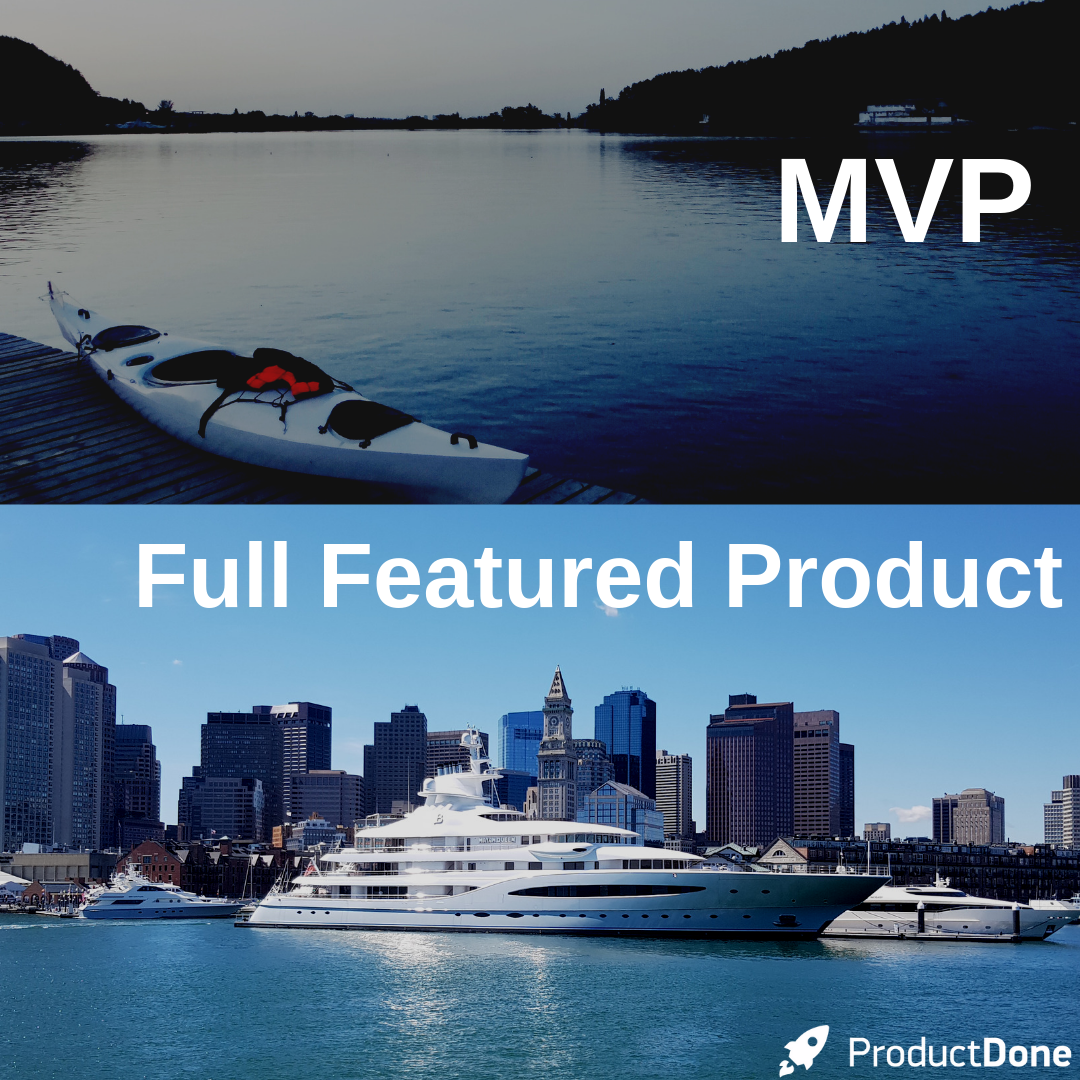
Eric Ries popularised the concept of building a Minimum Viable Product (MVP) instead of developing a fully-featured product initially.
An MVP is characterised by three key elements:
- Sufficient value to attract initial users or buyers
- Demonstrated future potential to retain early adopters
- A feedback mechanism guiding subsequent development
1. Define the Problem You Are Solving
Every successful product addresses a genuine problem. Before beginning development, clarify what specific issue your solution targets. Ensure the problem creates sufficient pain that potential users would abandon their current approach to try your alternative.
2. Define Your Customer
Identify precisely whose needs you're addressing, ensuring feedback comes from your target audience. Define both your general customer base and ideal customer: their interests, demographics, and behavioural patterns.
3. How Your Product Helps Your Customer
Document all ways your solution resolves customer pain points or improves their circumstances. Compare how customers currently solve their problem and identify what makes their existing approach unsatisfactory or inefficient.
4. How You'll Reach Your Customer
Determine how you'll discover customers or make them aware of your offering. Regardless of product quality, unknown solutions lack commercial value. From inception, plan marketing and user acquisition strategies. Create a landing page and collect early registrations to gauge interest.
5. How You'll Generate Revenue
Establish your monetisation model, incorporating recurring revenue where applicable. Use conservative estimates for retention and engagement. Ensure you can sustain development, maintenance, and marketing expenses.
6. Your Competitive Differentiation
Define your unfair advantage and unique selling proposition. If your offering mirrors competitors, customers lack motivation to choose yours. Validate whether these distinctions matter sufficiently for potential customers to pay.
7. Identify Your Biggest Risks
From your accumulated assumptions, determine which represent the greatest threats to project viability. Assess which assumptions carry lowest confidence levels and greatest potential for project failure.
Thoughtfully addressing these seven questions saves significant time and resources during development.